West Ham station rubbish collection guide for commuters
If you travel through West Ham every day, you already know how quickly small bits of rubbish can become a bigger problem. A coffee cup in the hand, a food wrapper in the coat pocket, a broken umbrella by the platform end, and suddenly your commute feels cluttered before the day has even started. This West Ham station rubbish collection guide for commuters is here to make that part easier. It explains how to deal with waste sensibly on the move, what to keep with you, what to bin properly, and how to avoid the awkward little mistakes that can slow you down or create mess for everyone else.
It is not just about being tidy, either. Good rubbish habits around a busy station help keep entrances clearer, reduce spillages, and make the journey a bit less stressful. In practice, that means knowing what to do with takeaway packaging, how to separate recyclable items, and when a larger clear-out needs a proper waste service rather than a quick bin drop. Let's face it, no one wants to drag a bag of old bits across London because the wrong disposal choice was made in a rush.
Expert summary: If you are commuting through West Ham, the smartest approach is to plan waste handling before you leave home, use station bins responsibly, keep unsuitable items out of public litter points, and arrange proper removal for anything bulky, awkward, or potentially hazardous.
Table of Contents
- Why West Ham station rubbish collection matters
- How rubbish collection around the station works
- Key benefits and practical advantages
- Who this guide is for and when it makes sense
- Step-by-step guidance
- Expert tips for better results
- Common mistakes to avoid
- Tools, resources and recommendations
- Law, compliance, standards and best practice
- Options, methods and comparison table
- Case study or real-world example
- Practical checklist
- Conclusion
- Frequently asked questions
Why West Ham station rubbish collection guide for commuters Matters
West Ham is a busy interchange, and that alone changes the way rubbish needs to be handled. When a station sees steady footfall from early morning to late evening, even small amounts of litter can build up fast. A dropped receipt, a leaking drink cup, or a half-eaten snack can affect the feel of the whole area. And if you are trying to catch a train or tube connection, the last thing you want is to be looking for a bin that is already full.
For commuters, the problem is usually not "waste" in the broad sense. It is the everyday stuff: coffee cups, cans, sandwich wrappers, tissues, food containers, and the odd parcel sleeve. These items are harmless on their own, but they become messy when people leave them on seats, tuck them into railings, or assume someone else will clear them up. That habit, to be blunt, spreads the burden around.
It also matters because station environments are shared spaces. A cleaner approach supports safety, access, and comfort for everyone, especially at peak times when people are moving fast and space is tight. You notice it most on damp mornings, when litter gets heavy and damp and just looks worse. Not dramatic, maybe, but very real.
There is another layer too. Commuters often combine travel with shopping, gym visits, or moving between temporary workspaces. That means rubbish is sometimes mixed with household waste, packaging from deliveries, or even items that should not go into a public bin at all. A practical guide helps you sort those decisions before they become a nuisance.
How West Ham station rubbish collection guide for commuters Works
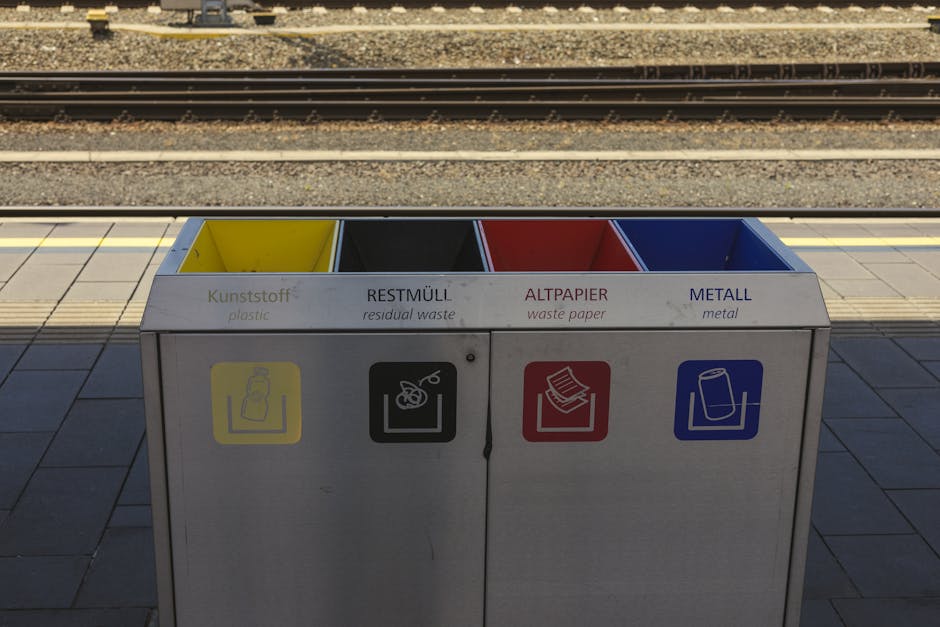
At a simple level, rubbish collection around a station works in two ways. First, commuters use the public bins provided in and around the station for small, everyday waste. Second, station and transport teams collect those bins and manage the wider area to keep pathways, entrances, and waiting spaces usable.
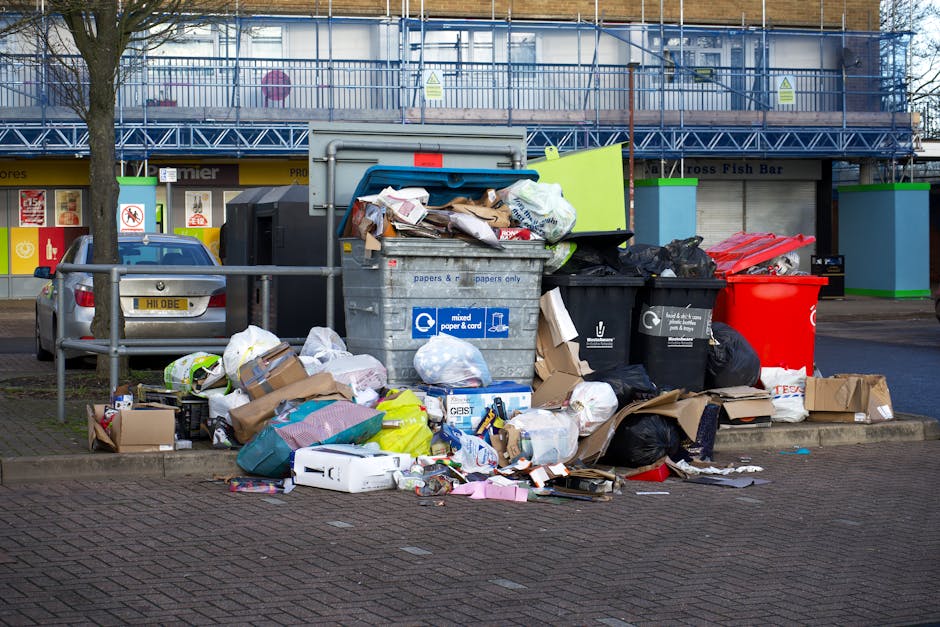
The important thing is understanding the limit of a public bin. It is designed for lightweight, everyday litter, not for oversized household rubbish, broken furniture, appliance parts, or bags of waste from a room clear-out. A lot of people know this instinctively, but in a rush it is easy to think, "it will fit," and then suddenly you are juggling a bag that should never have been there in the first place.
For commuters, the "how" also includes timing and judgement. If your waste is small and clean, the bin is usually the right option. If it is bulky, wet, sharp, smelly, confidential, or mixed with items like batteries or old electronics, it needs a more suitable route. That might mean taking it home for sorting, using a recycling or disposal point elsewhere, or arranging a proper clearance service.
In many cases, the best plan is not to create waste during the commute in the first place. A reusable bottle, a keep-cup, and a small foldable tote can remove a surprising amount of stress. Slightly old-fashioned? Maybe. Effective? Very much so.
Key Benefits and Practical Advantages
Using a sensible rubbish collection approach around West Ham station is not just about manners. It has everyday benefits that commuters feel immediately, even if they do not think about them in detail.
- Less stress during your journey: You are not carrying clutter longer than necessary.
- Cleaner station spaces: Proper disposal helps keep seating, entrances, and walkways in better condition.
- Faster decision-making: You know whether to bin, recycle, keep, or take waste home.
- Lower contamination: Recyclables stay cleaner when they are not mixed with food or drinks.
- Better protection for staff and passengers: Sharp, wet, or leaking waste is handled more carefully.
- Less risk of fines or complaints: Improper dumping or fly-tipping is simply not worth it.
There is also a more subtle benefit: routines become easier. Once you get into the habit of separating waste at source, commuting feels more organised. A small wrapper goes in one pocket, a recyclable bottle in another, and anything unsuitable is dealt with later. It sounds almost too basic, but that is usually where the win is.
If you are dealing with more than commuter litter, there can be a sensible crossover with services like waste removal or, for larger household or move-out situations, home clearance. Those options are not for the daily commute, of course, but they matter when "just take it with me" becomes an unrealistic plan.
Who This Is For and When It Makes Sense
This guide is for anyone who passes through West Ham station and wants a cleaner, less awkward way to deal with rubbish on the go. That includes office commuters, students, shift workers, contractors, parents doing the school run, and people who are carrying shopping or deliveries between stops.
It makes particular sense if you recognise any of these situations:
- You regularly buy food or drink on the way to work.
- You carry packaging, paperwork, or personal items that build up during the day.
- You sometimes bring things home from the office that should not be left in public bins.
- You work nearby and need a realistic plan for occasional waste, not just daily litter.
- You are moving flats or decluttering and need to decide what belongs in normal rubbish and what does not.
It is also useful for anyone who shares a household and ends up with odd bits of waste at commuting times. A cracked storage box, an old office chair, a broken fan, or an appliance box can easily ride along with your day if you are not careful. Truth be told, that is where people tend to get caught out.
For bulkier items that cannot be sensibly handled on a busy route, it may be better to look at a specialist service such as flat clearance or furniture disposal. Those are useful when commuter waste turns into a proper clear-out.
Step-by-Step Guidance
If you want a practical way to manage rubbish around West Ham station, keep it simple. Small steps work best. No need to overthink every wrapper and napkin.
- Sort waste before you leave home or work. Separate recyclables, food waste, and general rubbish where possible. It makes the final disposal decision much easier.
- Carry a small "hold until later" pouch. This is ideal for receipts, tissues, or packaging if you cannot find a bin immediately.
- Use station bins for clean, lightweight litter only. If a bin is full, do not balance waste on top of it. That just creates a mess for the next person.
- Take contaminated recycling home. A greasy box or half-full drink container usually should not go into a recycling stream if you are unsure.
- Keep hazardous or sharp items separate. Batteries, blades, glass shards, or broken fittings need proper handling, not a quick public-bin solution.
- Plan a disposal route for bulky items. If the waste is too large or awkward, arrange collection rather than carrying it through the station network.
- Review your routine once a week. A tiny habit check saves time later. What is building up in your bag? What keeps ending up in the wrong place?
A good example is someone who buys lunch near the station three days a week. If they keep a reusable cutlery set and a foldable bag, they might reduce waste instantly. Another commuter might be clearing out an old desk drawer after work and realise the contents include cables, old paperwork, and one very dead mouse. That is a different route entirely, and probably calls for confidential shredding for paperwork plus a suitable clearance option for the rest.
Expert Tips for Better Results
In our experience, the best waste habits are the ones you barely notice because they become automatic. The trick is to make the right choice the easy one.
- Keep one small reusable bag in your backpack or work tote. It sounds dull. It works brilliantly.
- Choose packaging wisely. A paper bag or compact container is easier to manage than something greasy and leaky.
- Do not "save time" by forcing waste into the wrong bin. That usually creates more time loss later, especially if bins are already full.
- Watch for contamination. A single dirty item can make recyclable material much less useful.
- Use quieter travel moments for bigger decisions. If it is 8:15 and the platform is packed, that is not the moment to sort through a bag of mixed rubbish.
- For home or office clear-outs, batch items properly. Group furniture, appliances, and general waste separately where possible. Makes collection smoother.
If you have ever seen a commuter trying to carry a wobbling tower of cardboard, a soggy coffee lid, and an oddly shaped broken lamp down the stairs, you already know why planning matters. A little structure saves embarrassment. And a little dignity, too.
For repeat disposals from a workplace near the station, business waste removal and office clearance can be the cleaner, more efficient route. That is especially true if waste is building up across desks, storage cupboards, or staff areas.
Common Mistakes to Avoid
Most waste problems around stations are avoidable. They come from rushing, assuming, or trying to make the wrong bin do the wrong job. Pretty ordinary human stuff, really.
- Leaving waste beside a bin: If the bin is full, take the item away and use another disposal point later.
- Mixing food with recycling: Greasy packaging and leftover drink can spoil otherwise recyclable material.
- Bringing bulky items into the station: If it is awkward to carry, it is probably awkward to store, manoeuvre, and dispose of safely.
- Ignoring sharp edges or broken parts: Broken glass, metal brackets, and cracked plastic can injure staff or passengers.
- Assuming public bins are for everything: They are not. That misconception causes a lot of problems.
- Waiting too long to sort waste: The longer waste sits in a bag, the more likely it is to smell, leak, or tear.
One of the more common commuter slip-ups is treating a train station like a temporary storage room. It is not. A station is a shared transit space, not a catch-all for household bits and pieces. Slightly obvious, perhaps, but worth saying out loud.
Tools, Resources and Recommendations
You do not need much to manage rubbish well. A few simple tools make the whole thing easier.
- Reusable tote or backpack: Useful for taking waste home if the station bin is unsuitable or full.
- Small sealable pouch: Handy for tissues, receipts, and minor litter that you do not want loose in your pocket.
- Sturdy bin liners: Better for home, office, or flat waste when you are preparing items for collection.
- Labels or taped notes: Helpful if you are separating items for recycling, shredding, or specialist disposal.
- Collection plan: If you have a larger amount of waste, know in advance whether it belongs in a standard bin, a specialist service, or a broader clear-out.
For heavier domestic jobs, it can help to review services like house clearance, loft clearance, or garage clearance. Those are not commuter tools as such, but they are highly relevant if your day-to-day waste habits are linked to a bigger decluttering project.
If appliances are involved, check the options for fridge and appliance removal. If the item is a sofa or mattress, there is a better fit in mattress and sofa disposal. Simple, sensible, and far less messy than trying to improvise.
Law, Compliance, Standards, or Best Practice
When rubbish is small and personal, the main concern is usually courtesy and safe disposal. Once waste becomes larger, more frequent, or potentially hazardous, best practice matters a lot more. In the UK, waste should be handled responsibly, and you should avoid leaving items in public spaces, causing obstruction, or disposing of materials in a way that could create risk for others.
That means a few common-sense principles apply:
- Do not abandon waste in or around station entrances.
- Keep dangerous or hazardous items out of public litter bins.
- Separate recyclables where you can, but only when items are reasonably clean and suitable.
- Use a proper service for waste that is bulky, sharp, confidential, or contaminated.
If you are a landlord, tenant, or business user with regular waste needs, it is sensible to review service terms, insurance details, and how collections are handled before booking. Pages such as health and safety policy, insurance and safety, and terms and conditions help set expectations clearly.
For sensitive or regulated waste streams, such as paperwork, the safer route is often separate handling through confidential shredding. For items that should not go in general waste at all, such as certain reactive or risky materials, see hazardous waste disposal. Better cautious than casual here.
Options, Methods, or Comparison Table
Not every waste problem needs the same answer. The right option depends on size, material, urgency, and whether the item is safe to carry through a station environment.
| Waste type | Best option | Why it fits | Typical commuter note |
|---|---|---|---|
| Paper cup, wrapper, tissue | Use a station bin if available | Small, lightweight, everyday litter | Fine to dispose of quickly, provided the bin is not overflowing |
| Food container with residue | Take home if possible | Less contamination, cleaner recycling decisions later | Often better than forcing it into a public bin |
| Bulky household items | Arrange a clearance service | Too awkward and unsafe for station disposal | Consider flat clearance or a related service |
| Old office materials | Separate shredding or office waste handling | Protects privacy and keeps workflows tidy | Useful for home workers and local businesses alike |
| Appliances or broken white goods | Specialist removal | Heavy, awkward, and often not suitable for normal disposal | Use fridge and appliance removal |
If you are deciding between a quick bin drop and a planned collection, the simplest question is this: can I carry this safely, and is it appropriate for a public bin? If the answer is anything other than a clear yes, pause. That pause usually saves trouble.
Case Study or Real-World Example
A commuter working near West Ham once told us they had developed a habit of carrying three or four different types of waste in the same bag by Friday afternoon: coffee cups, receipt paper, a broken umbrella panel, and random packaging from a click-and-collect order. Nothing dramatic. Just the kind of creeping clutter that builds up when the week gets busy.
The fix was surprisingly plain. They started using one small pouch for receipts and paper, a reusable bottle for drinks, and a separate compact tote for anything they needed to take home later. The office also arranged a better plan for larger waste through office clearance, which meant broken items and outgrown equipment no longer ended up being passed around like unwanted prizes.
Within a couple of weeks, the daily routine felt calmer. No more last-minute bin hunts. No more half-open packaging leaking in a backpack. No heroic effort either, just a slightly better system. That is usually how it goes.
Practical Checklist
Use this quick checklist before and after your commute if rubbish tends to build up during the day.
- Have I already separated recyclable and general waste?
- Is anything wet, sticky, sharp, or likely to leak?
- Can this item go in a public bin safely and cleanly?
- Do I need to keep it until I get home or back to the office?
- Is this actually bulky waste that needs a specialist service?
- Have I avoided overfilling my bag or pockets?
- Do any items contain personal data or confidential information?
- If I am clearing a room, have I grouped items sensibly for collection?
- Have I checked whether any items need appliance, furniture, or hazardous waste handling?
- Do I have a proper disposal plan rather than a hopeful guess?
If you get through that list, your waste decisions will probably be much easier. Not perfect. But far better, and honestly that is enough most days.
Conclusion
A good West Ham station rubbish collection guide for commuters is really about making everyday choices less annoying. Small waste should be handled quickly and cleanly. Bulky, awkward, confidential, or hazardous items should be kept out of public bins and routed properly. Once you get the habit right, your commute feels lighter, your bag feels tidier, and the station environment stays more pleasant for everyone.
If your waste needs go beyond a coffee cup or sandwich wrapper, it is worth choosing the right service the first time. That might mean recycling and sustainability guidance, a targeted disposal service, or a broader clearance option for a home, flat, loft, garage, or office. The point is not to do everything yourself. The point is to do it sensibly.
Get a free quote today and see how much you can save.
And if all you take from this is one small change for tomorrow morning, that is still a win. A cleaner commute has a way of making the whole day feel a bit more manageable.
Frequently Asked Questions
What is the best way to deal with rubbish while commuting through West Ham station?
The best approach is to carry small waste with you until you find a suitable bin, use public bins only for clean everyday litter, and take anything bulky or unsuitable home or to a proper disposal service.
Can I throw takeaway food packaging in a station bin?
Usually yes, if it is small and not leaking. If the packaging is greasy, full of residue, or unusually bulky, it is better to take it home and dispose of it properly.
What should I do if the station bin is full?
Do not leave waste beside it. Keep the item with you and use another bin later. Overflowing litter creates more mess and makes the area harder to keep clean.
Are recyclable items safe to put in station bins?
Only if they are clean and suitable. A drink bottle or paper item may be fine, but contaminated recycling is often better taken home and sorted there.
What rubbish should never go in a public station bin?
Sharp items, hazardous materials, bulky household waste, appliance parts, confidential papers, and anything that could leak or cause injury should not go in a public bin.
How do I manage waste if I work near West Ham station every day?
Use a simple routine: separate waste at source, keep a small carry pouch, and arrange a proper removal option if you generate regular office or business waste. Services like office or business waste removal can help when the volume builds up.
What if I am moving home and passing through the station with rubbish?
Try not to bring bulky items through station spaces unless they are safely packed and genuinely manageable. For larger loads, a more suitable clearance option is usually better than trying to improvise during a commute.
Can I dispose of old paperwork during my commute?
If the papers contain personal or sensitive information, use confidential shredding rather than a normal bin. That keeps privacy protected and avoids unnecessary risk.
How do I know if an item is considered hazardous?
If it is flammable, reactive, leaking, chemical-based, or otherwise unsafe to handle casually, treat it as hazardous until you confirm the right disposal route. When in doubt, err on the cautious side.
Is it worth arranging a clearance service instead of trying to do everything myself?
Yes, if the waste is bulky, frequent, awkward, or time-consuming. A planned collection is often cheaper in time, stress, and hassle than trying to force everything into commuting routines.
What is the simplest habit that makes the biggest difference?
Carry a small reusable bag and sort waste before you leave. That one habit prevents most of the awkward "where do I put this now?" moments.
Can furniture or appliance waste be handled through normal commuter rubbish collection?
No, not sensibly. Larger items need specialist handling. Furniture disposal and appliance removal are much better matches than a station bin or an improvised carry-on plan.
Where can I find more information about the company behind these services?
You can read more on the about us page if you want to understand the service approach and what the company focuses on day to day.